
Airtel Africa has announced plans to connect 5,000 schools across its 14 African operating markets to free internet by 2027 through the Airtel Africa Foundation, in partnership with the United Nations Children's Fund (UNICEF).
The initiative forms part of a US$57 million partnership launched in 2021 to expand access to digital education across the continent.
To date, the programme has connected 3,296 schools, providing internet access to more than two million learners and approximately 40,000 teachers. In addition, 64 digital learning platforms have been zero-rated, enabling over 11 million users to access educational content at no cost.
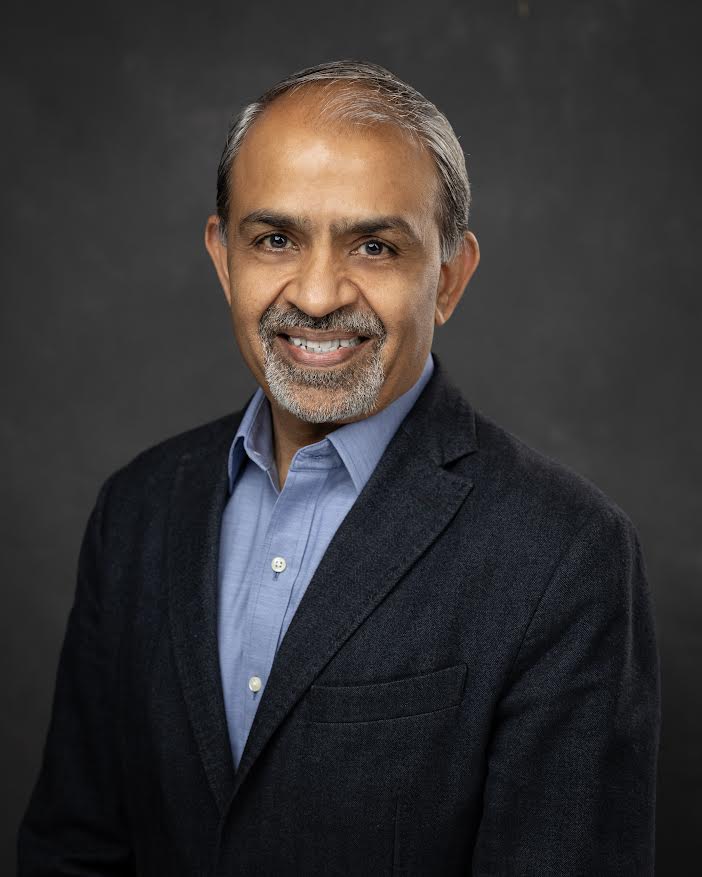
Speaking during a visit to St. Monica's Girls' School in Lusaka, Zambia—one of the 300 schools already connected under the programme—Airtel Africa Chief Executive Officer Sunil Taldar said the initiative is transforming education by expanding access to digital learning resources in collaboration with governments.
"Students are accessing best-in-class education through curricula developed by UNICEF in partnership with various Ministries of Education and delivered through Airtel's connectivity. We are also training teachers to ensure they can effectively deliver digital education. Our goal is to continue deepening meaningful connectivity in schools by providing free internet access, zero-rated learning platforms and teacher training across the continent," Taldar said.
The Headmistress of St. Monica's Girls' School, Sr. Matilda Soloko, said the initiative has significantly enhanced learning at the school.
"Being among the first schools connected during the initial phase, our learners have greatly benefited from the learning portal, which has strengthened their studies. We remain grateful to Airtel and UNICEF for this support," she said.
UNICEF Zambia Country Representative Dr. Saja Farooq Abdullah described the partnership as a major step towards closing the digital divide.
"This partnership is helping bridge inequality by ensuring every child has the opportunity to learn, regardless of where they live. It was encouraging to hear learners explain how they can study at their own pace, revisit learning materials and complete homework more comfortably," she said.
The Director of Secondary Education in Zambia's Ministry of Education, Yvonne Mwemba Chuulu, commended the collaboration, saying partnerships are critical in advancing quality education.
"At the Ministry of Education, we cannot do it alone. We appreciate the partnership with UNICEF and Airtel, which has enabled blended learning through the use of digital technologies. It is also encouraging that learners can continue accessing educational resources from home," she said.
The School Connection Programme is currently being implemented in 13 African countries: Chad, Congo, the Democratic Republic of Congo, Gabon, Kenya, Madagascar, Malawi, Niger, Nigeria, Rwanda, Tanzania, Uganda and Zambia.
By providing internet connectivity, zero-rated educational platforms and teacher training, the programme aims to equip learners—particularly those in underserved and remote communities—with the digital skills and resources needed to succeed in an increasingly connected world.
